
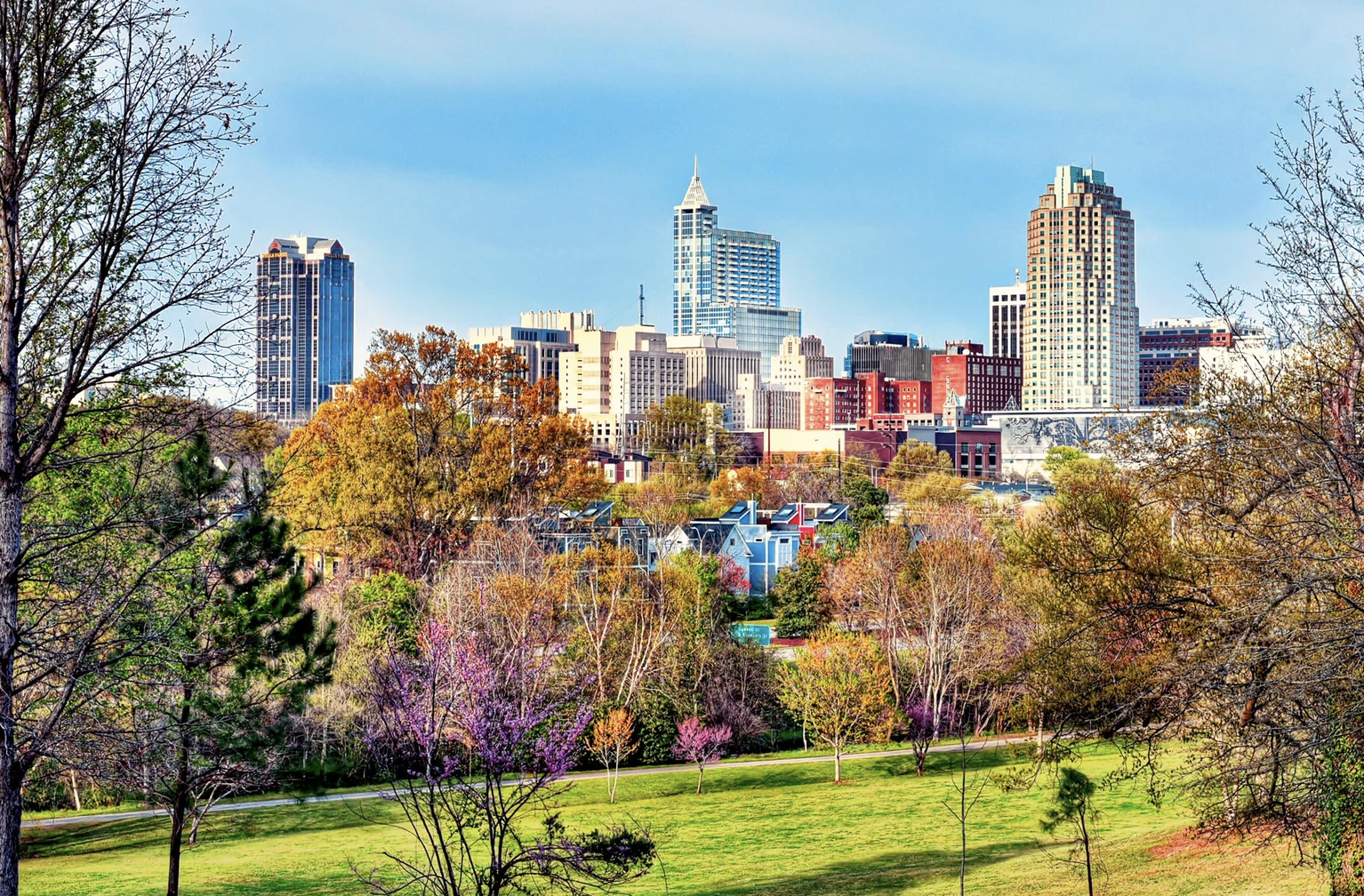
Living in Raleigh,
North Carolina
North Carolina's capital brings together established neighborhoods, major employers, universities, museums, sports, dining and culture at the center of the Triangle. Here's your local guide to buying, selling and living in Raleigh.
Why Raleigh?
Raleigh offers something different from the surrounding Triangle communities. As North Carolina's capital city, it brings together established neighborhoods, major employers, universities, arts, museums, sports and entertainment — while still offering the tree-lined streets, parks and everyday livability that draw so many people to this area.
Raleigh isn't simply a place to live.
It's one of the places that makes the Triangle what it is.
Home values can vary significantly by neighborhood, property type and location. Current listings provide a better picture of today's Raleigh market than a citywide average alone.
Find Your Fit in Raleigh
From historic neighborhoods near downtown to newer communities farther out, Raleigh offers distinctly different places to call home. Start with the part of the city that best matches how you want to live.
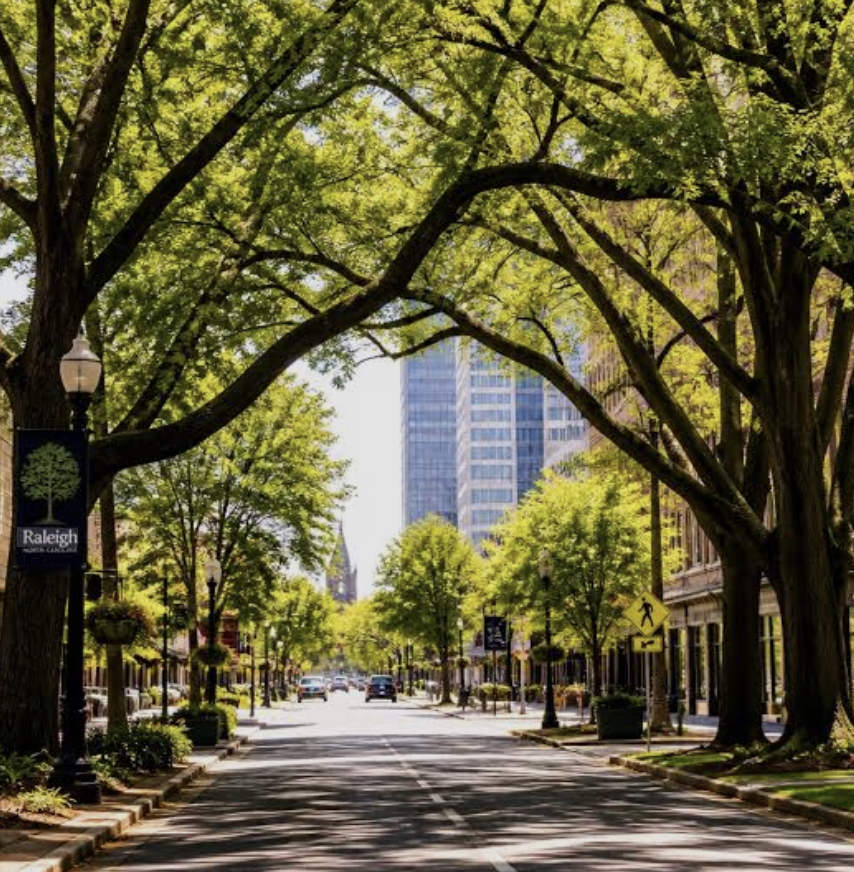
Beltline
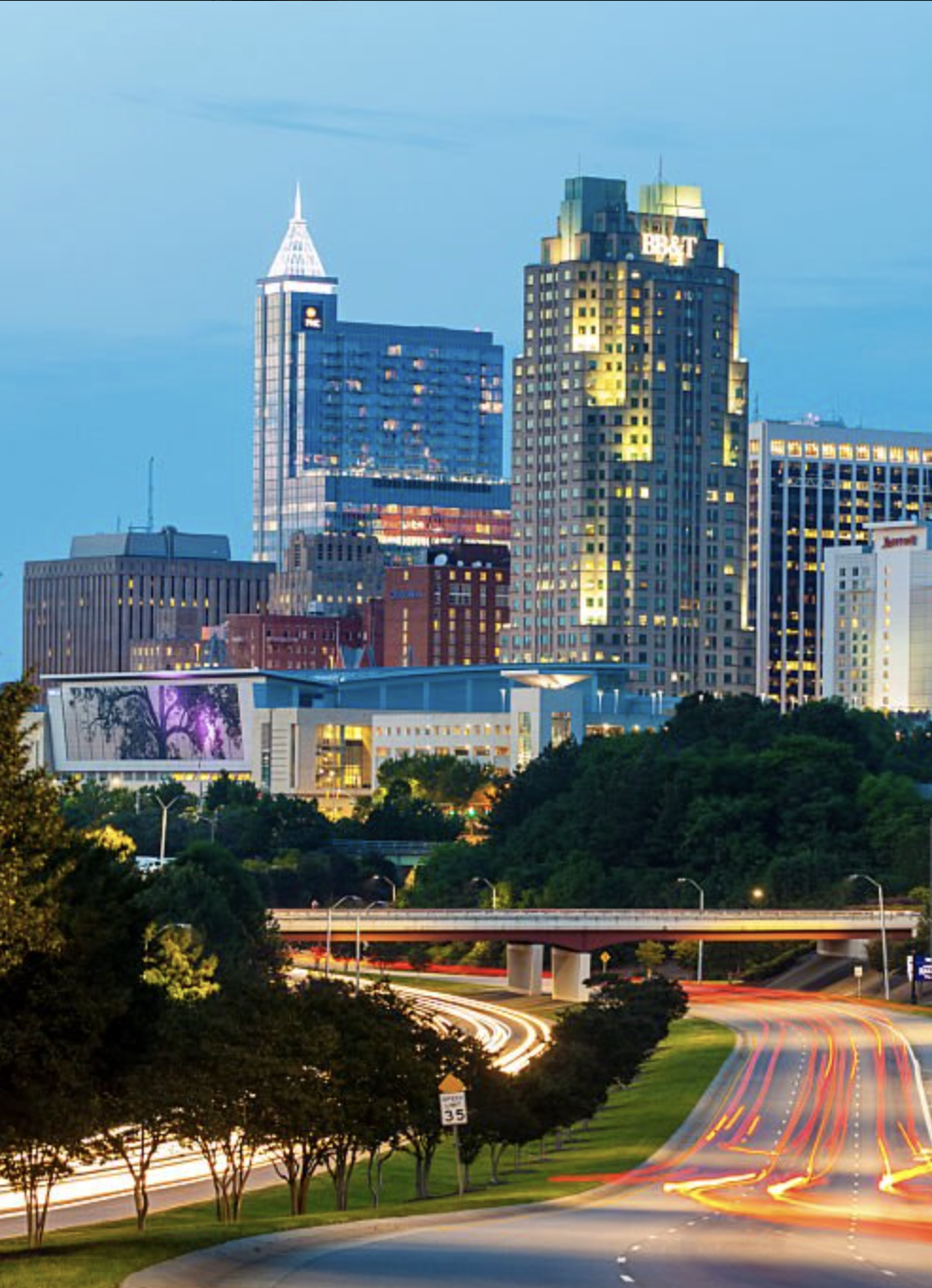
Adjacent
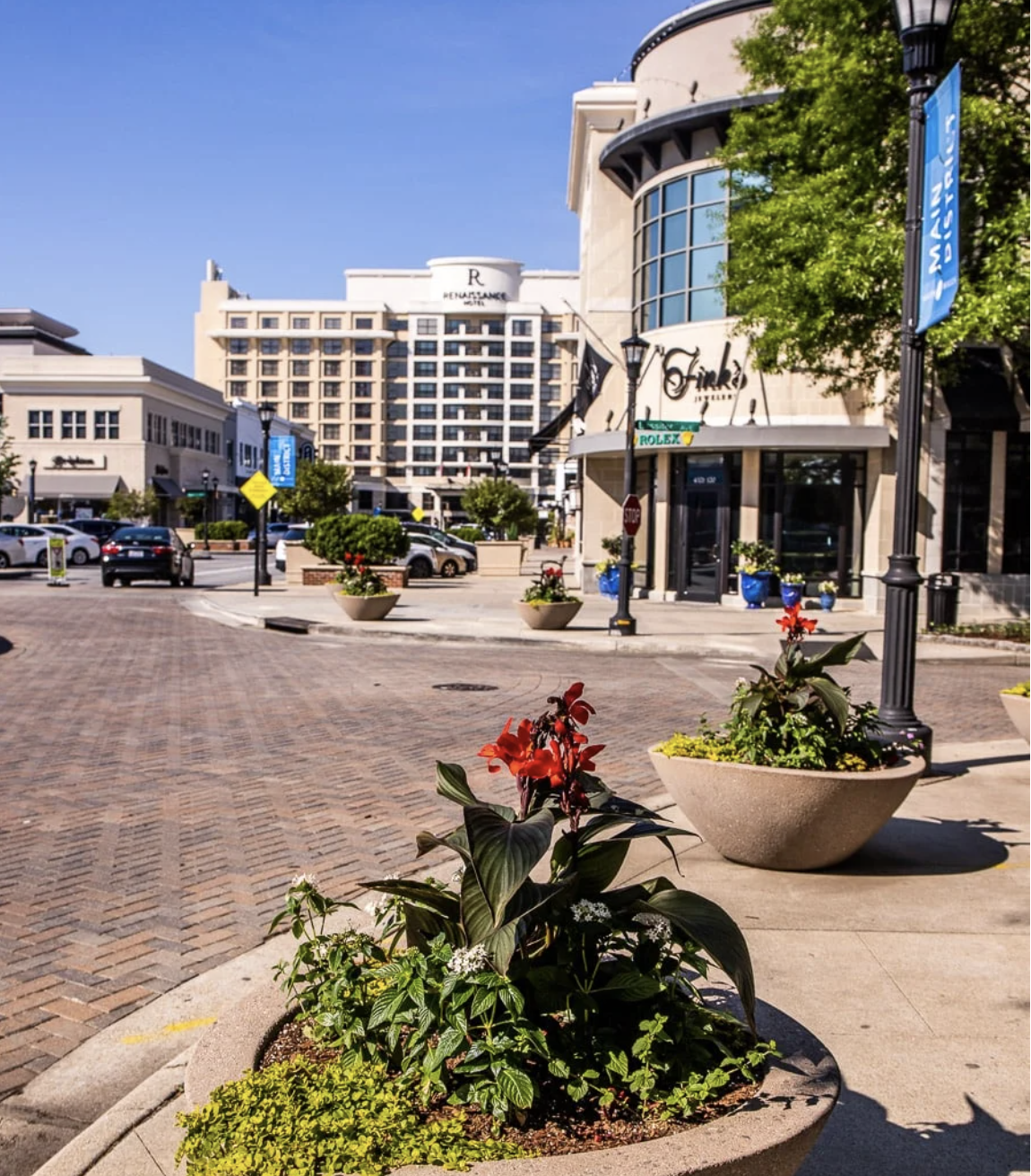
& Midtown
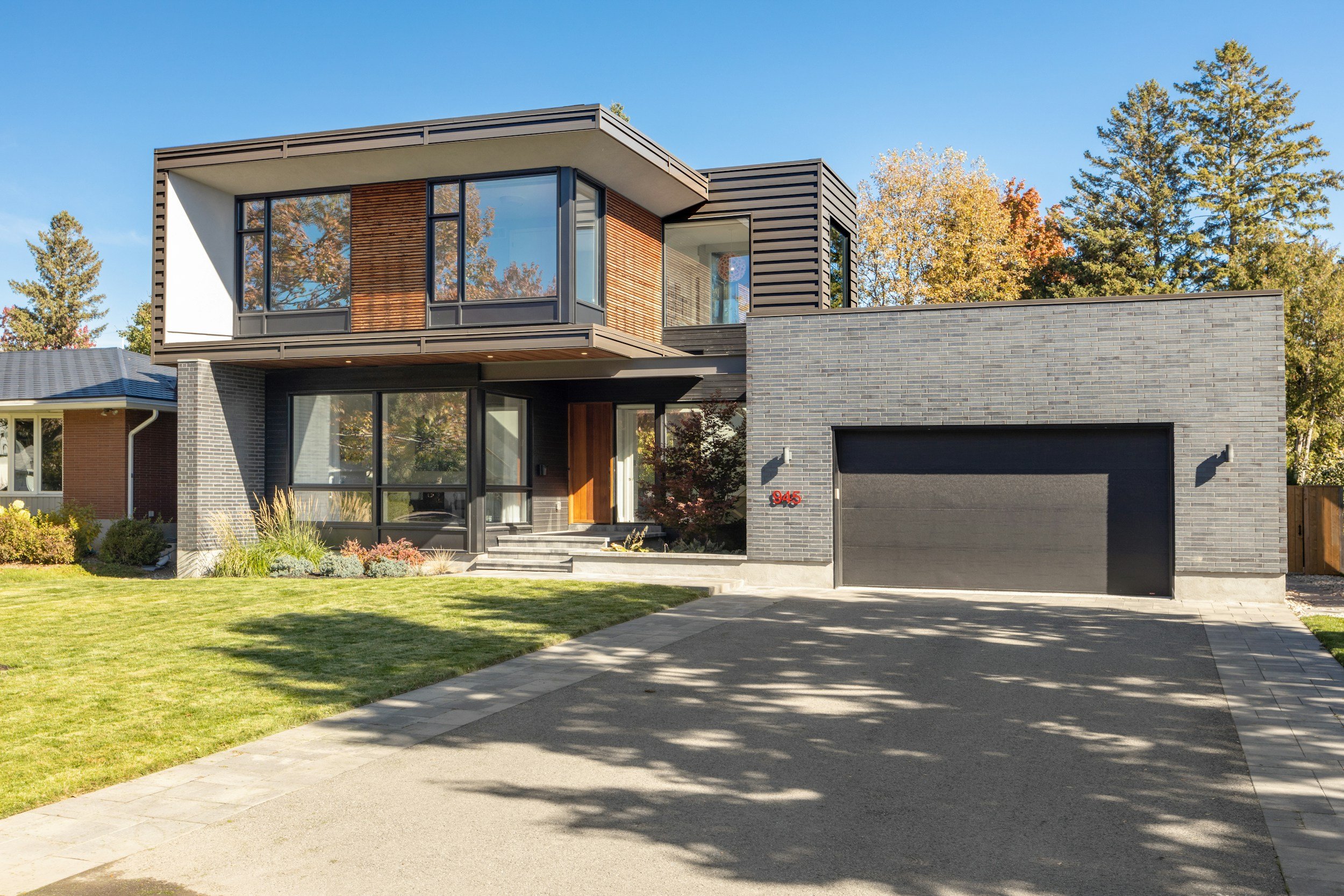
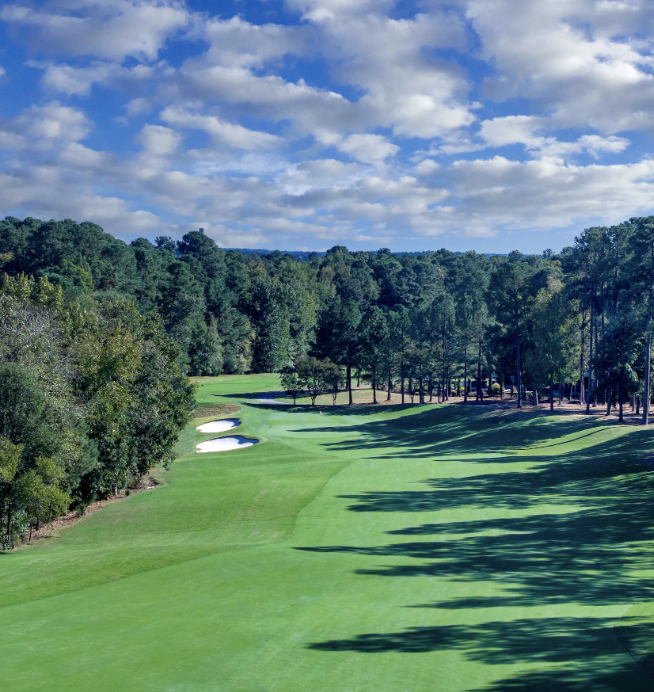
Northwest Raleigh
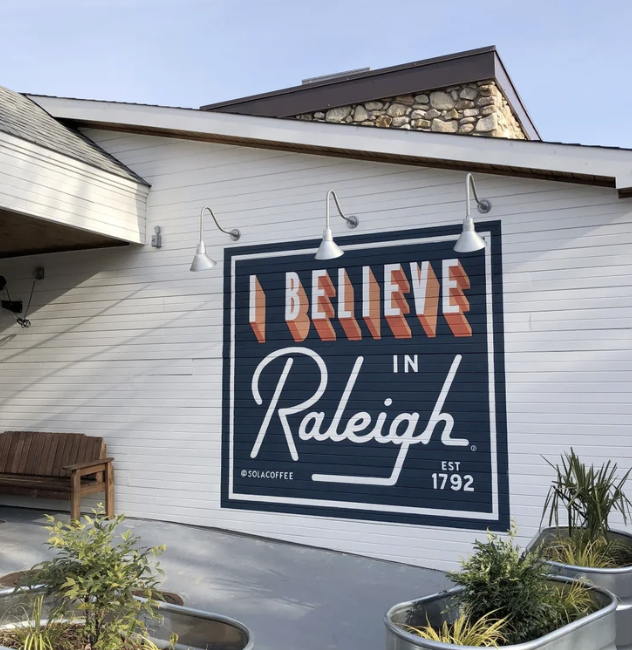
Southeast Raleigh
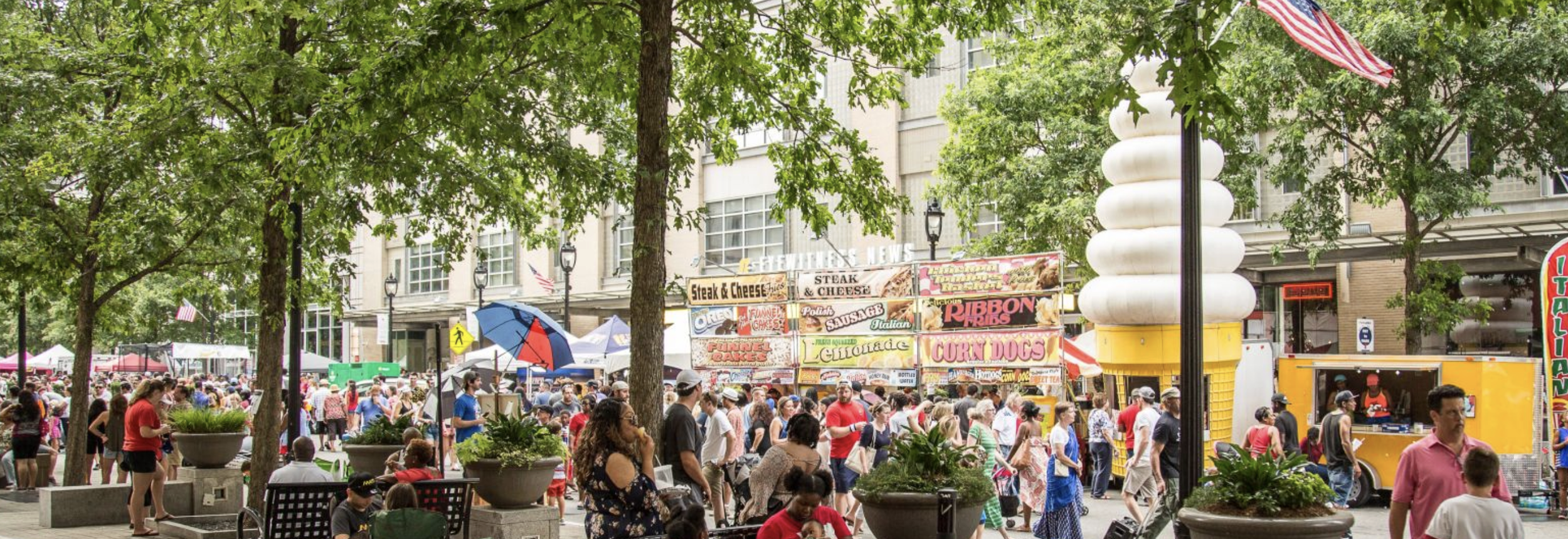
Life in North Carolina's
Capital City
Raleigh is more than a collection of neighborhoods. Living here puts museums, universities, professional sports, performing arts, restaurants, parks and some of the Triangle's biggest events within reach — often without leaving the city.
A Capital City
With Character
Downtown Raleigh is home to the North Carolina State Capitol, museums, historic landmarks and performing arts. Government, history and culture are part of the city's everyday identity.
Game Days &
Big Events
Raleigh is home to the NHL's Carolina Hurricanes, NC State athletics and a steady calendar of concerts, shows and major events at the Lenovo Center and venues throughout the city.
Home to
NC State
NC State University brings academics, research, athletics and innovation into the heart of Raleigh. Its presence also connects the city to the broader university and technology ecosystem across the Triangle.
Plenty to Do
With Kids
Marbles Kids Museum, the North Carolina Museum of Natural Sciences, Pullen Park and Raleigh's parks and greenways give families plenty of ways to learn, explore and spend time together.
From Downtown
to Midtown
Raleigh's dining scene stretches from downtown restaurants and food halls to neighborhood favorites, breweries and the growing restaurant and shopping scene around Midtown and North Hills.
There's Always
Something Happening
First Friday brings galleries, artists, music and local businesses together throughout downtown, while festivals, live performances, markets and community events fill Raleigh's calendar year-round.
You can still have a neighborhood, a yard and tree-lined streets — but you're living in the city that many Triangle residents travel to for games, museums, performances, restaurants and major events.
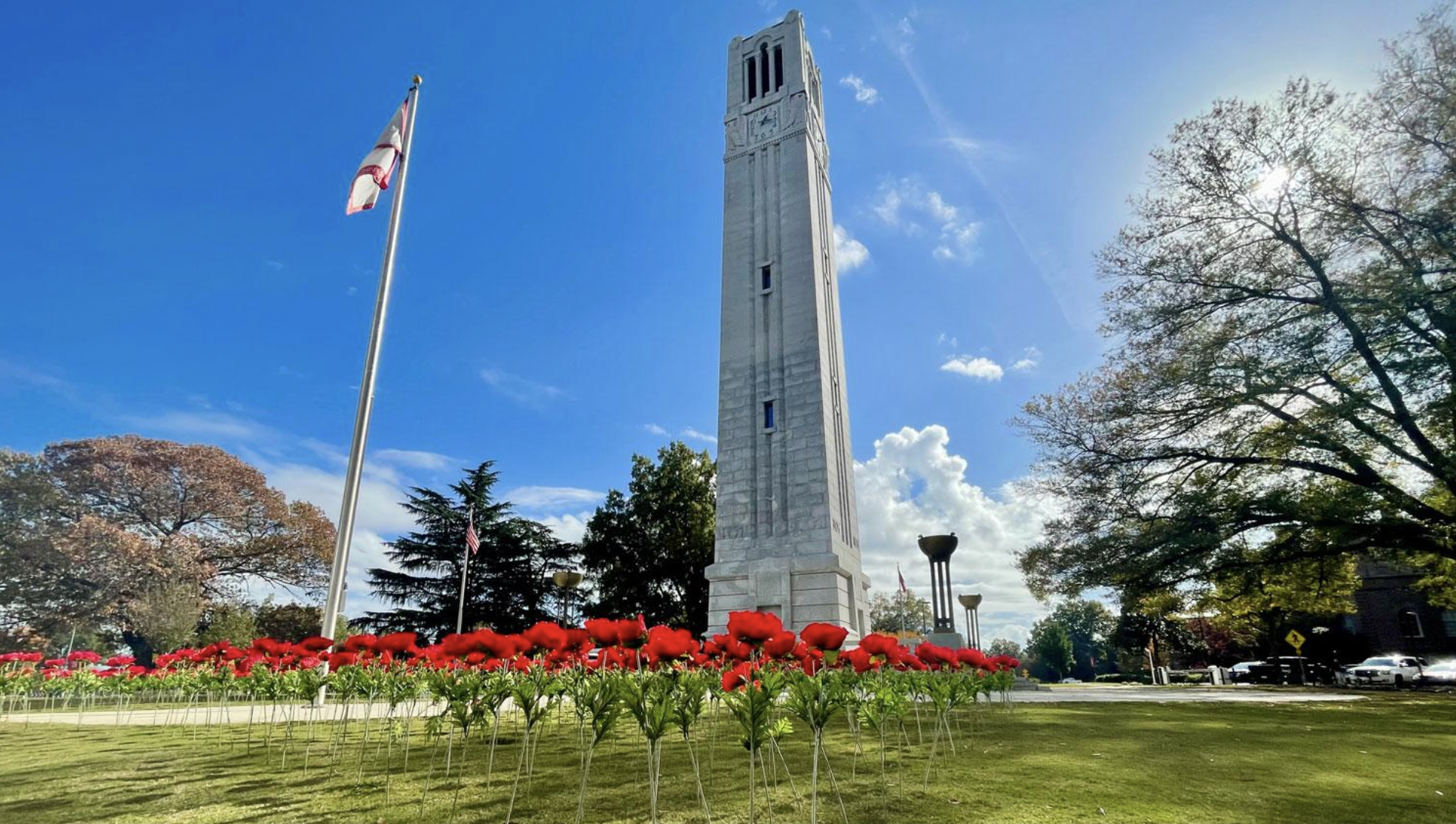
Connected to the Triangle.
Easy to Call Home.
Raleigh sits at the center of a region shaped by major employers, universities, healthcare, technology and research. Where you choose to live can make a meaningful difference in how you experience it.
Raleigh + the Triangle Economy
Raleigh's employment base spans state government, technology, healthcare, higher education, life sciences and professional services, with Research Triangle Park and Durham adding even more employment centers within the broader region.
A University-Rich Region
NC State University is part of Raleigh itself, while Duke University and UNC-Chapel Hill help form the Triangle's larger higher-education and research network. Raleigh addresses are primarily served by Wake County Public School System.
Your Location Changes Your Commute
I-40, I-440 and I-540 connect Raleigh with the surrounding Triangle, while RDU International Airport provides convenient air access. For relocating buyers, understanding where you'll work and spend your time is an important part of choosing where to live.
In Raleigh, the right location isn't just about miles — it's about how you want your week to work.
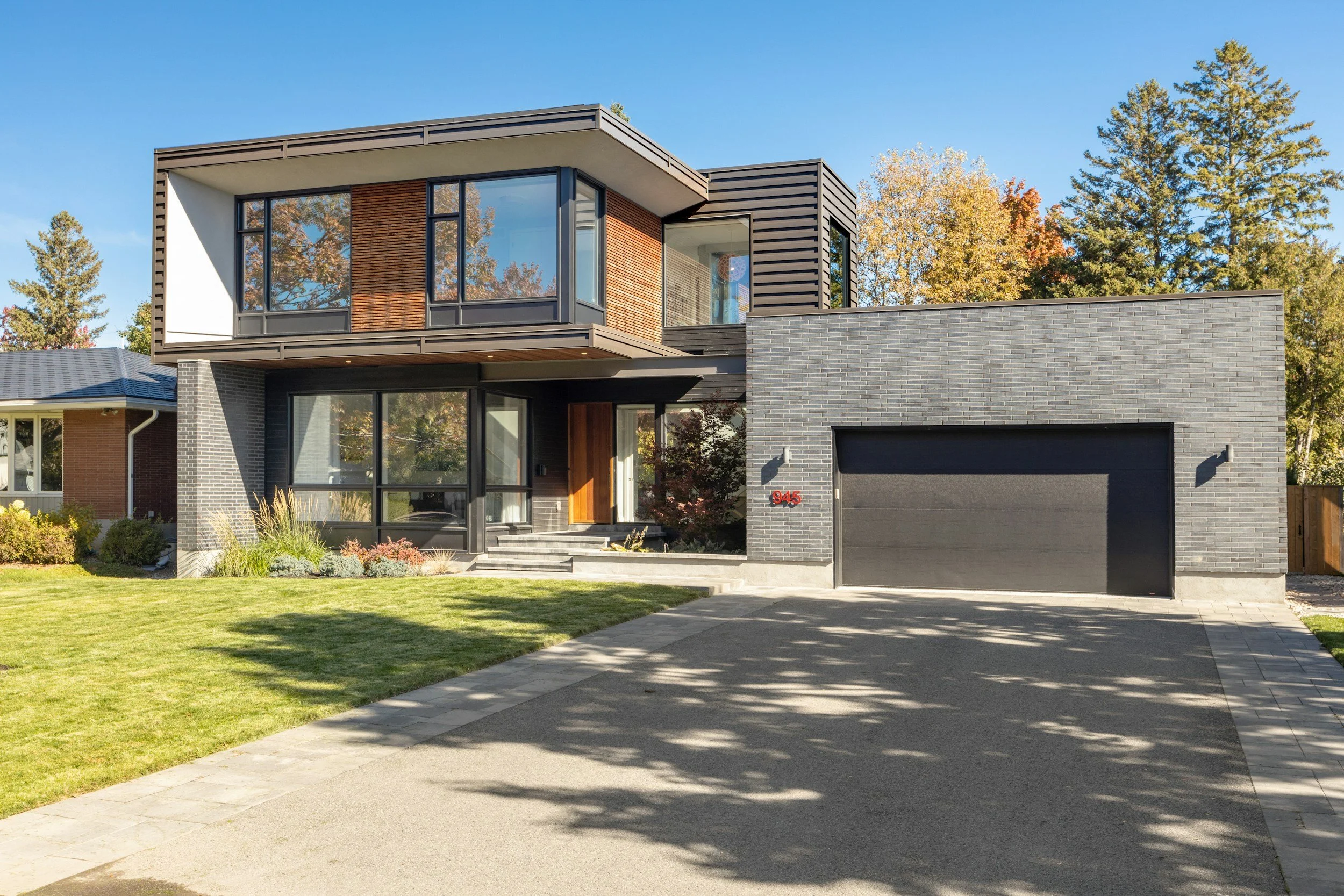
A City of
Many Home Styles
Raleigh isn't a market where one home style defines the city. Decades of growth have created a mix of established neighborhoods, renovated homes, luxury properties, newer communities, townhomes and downtown living.
Established + Historic
Mature neighborhoods, tree-lined streets and homes with architectural character.
Renovated + Luxury
Updated older homes, custom properties and high-end residences throughout established Raleigh.
New Construction
Newer neighborhoods and planned communities become more common toward Raleigh's expanding edges.
Condos + Townhomes
Downtown residences and attached-home communities offer alternatives to detached homes.
Neighborhood, lot, age, renovation quality and proximity to the places you use most can matter more than a citywide average.
Ready to See What's Available?
From established neighborhoods and renovated homes to new construction and downtown living, explore homes currently for sale throughout Raleigh.
Raleigh or the Suburbs?
Raleigh may be the heart of the region, but it isn't the only place to call home. Many buyers compare the city with nearby communities before deciding where their lifestyle, commute and home search fit best.
Cary
Established neighborhoods, newer development and convenient access to Raleigh and RTP.
Explore CaryApex
Historic downtown character paired with substantial residential growth and newer communities.
Explore ApexHolly Springs
Growing neighborhoods, recreation and an expanding local dining and entertainment scene.
Explore Holly SpringsFuquay-Varina
Two historic downtown districts, established neighborhoods and continued growth south of Raleigh.
Explore Fuquay-VarinaThat's normal. For relocating buyers, seeing a few areas side by side is often the fastest way to understand where you feel most at home.
Thinking About
Living in Raleigh?
These are some of the questions buyers and relocating families often ask when they're trying to understand Raleigh and decide where they want to live in the Triangle.
01 What is it like to live in Raleigh, North Carolina?
Raleigh combines the amenities of a capital city with a wide range of residential settings. Depending on where you live, your day-to-day experience might include an established tree-lined neighborhood, downtown restaurants and museums, greenways and parks, college sports, concerts or newer development farther from the city center.
02 What are the main areas to consider when moving to Raleigh?
Buyers commonly begin by comparing broader areas such as Inside the Beltline, Downtown and downtown-adjacent neighborhoods, Midtown and North Hills, North Raleigh, Northwest Raleigh and Brier Creek, and East or Southeast Raleigh. From there, the search can be narrowed based on commute, housing style, budget and the places you use most.
03 How much does it cost to buy a home in Raleigh?
There isn't one Raleigh price point that accurately describes the entire market. Home values can vary considerably based on neighborhood, property type, lot size, age, renovations and proximity to central Raleigh. Looking at current homes within the specific areas you're considering provides a much more useful picture than relying on a citywide average alone.
04 Should I live in Raleigh or one of the surrounding suburbs?
It depends on the lifestyle and location you're looking for. Raleigh offers city amenities alongside many established residential neighborhoods, while communities such as Cary, Apex, Holly Springs and Fuquay-Varina offer their own downtowns, neighborhoods, amenities and housing options. Relocation buyers often benefit from seeing several communities before narrowing their search.
05 What should I know about commuting around Raleigh?
Raleigh is connected by major routes including I-40, I-440 and I-540, but commute experience can vary significantly based on where you live, where you work and the time of day. For a relocation search, it helps to map your workplace and regular destinations before choosing a neighborhood based on distance alone.
06 How do I research schools when buying a home in Raleigh?
Raleigh addresses are primarily served by the Wake County Public School System. Because school assignments, calendars, programs and enrollment information can change, buyers should verify current information directly with the school district for any address they are considering.
07 Can you help me decide where to live before I relocate to Raleigh?
Yes. A relocation search can start before you know exactly where you want to live. We can narrow the Triangle based on your commute, budget, preferred home style and everyday priorities, then compare Raleigh with nearby communities so your home search begins with a much clearer sense of location.
Still have questions about Raleigh? That's exactly what the conversation is for.
Could Raleigh Be
Your Next Home?
Whether you're relocating to the Triangle, moving across town or simply trying to decide which Raleigh neighborhood fits your life, you don't have to figure it out alone. Let's talk about what you're looking for and build your search around the way you actually want to live.
Let's Talk Raleigh